How to Start a Home Food Business
Cottage food laws, choosing your niche, pricing for profit, finding customers, and running a weekly drop without burning out.
A home food business is one of the most accessible businesses you can start in the US. Cottage food laws in nearly every state let you legally prepare and sell certain foods from your home kitchen, without renting commercial space.
This guide is the end-to-end playbook: how to pick a niche, comply with your state's law, price for profit, find customers, and run weekly drops with a real system.
Step 1 — Confirm your state's cottage food law
Every US state has a cottage food law. They differ in sales caps, allowed foods, labeling rules, and permit requirements. Before you launch, check yours. See our state-by-state cottage food law guide for the full breakdown.
Step 2 — Pick a focused niche
Home food businesses that scale niche down. Cookies. Sourdough. Tamales. Freeze-dried candy. Salsa. Granola. Meal prep. A focused niche makes marketing easy, batching efficient, and your brand memorable.
Step 3 — Price for profit
Triple your food cost as a floor. Charge what your work is worth. Most first-year home food sellers underprice by 30-50%.
Step 4 — Run weekly drops
Open orders Sunday through Wednesday. Prep Thursday and Friday. Pickup Saturday. The weekly drop model is what separates a hobby from a real home food business. FoodDropr is the storefront built specifically for it.
Step 5 — Build your repeat customer base
The most profitable home food businesses get 70-80% of revenue from repeat customers. Capture every customer's contact info at first order, recognize them on return, and treat regulars like the asset they are.
Frequently asked questions
Explore more
Everything home cooks need to legally sell food from home — laws, setup, customers, and payments.
Cottage Food LawsState-by-state guides to cottage food laws, permits, sales limits, allowed foods, and labeling rules for home food businesses.
Food Business PricingPrice your menu profitably — food cost, labor, packaging, and what home customers will actually pay.
Food Business MarketingMarketing playbooks for home food businesses — Instagram, local SEO, repeat customers, and referrals.
Related reading
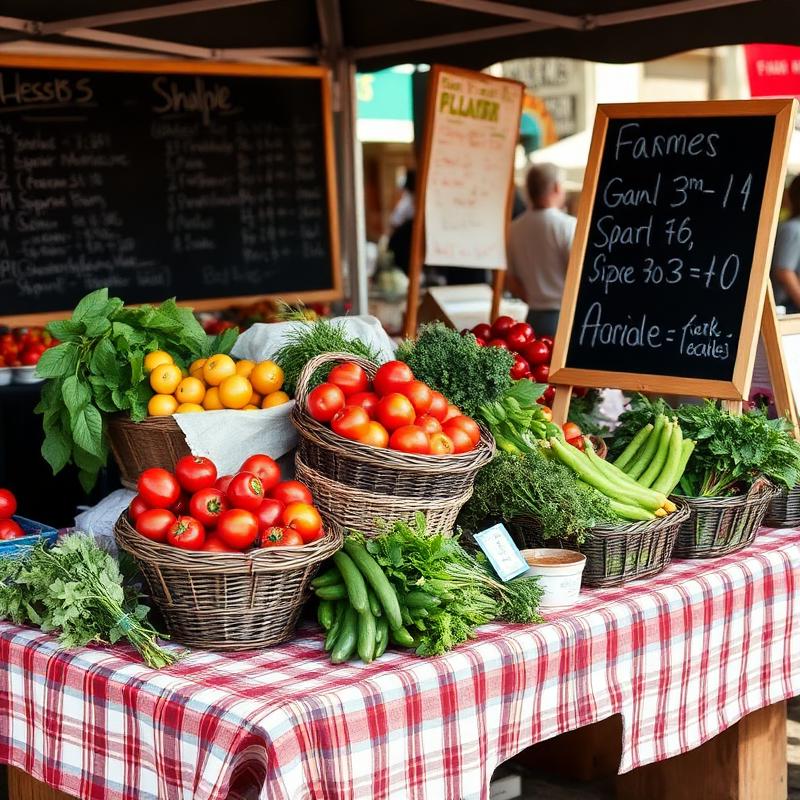
How to Sell Food From Home: The First 90 Days
9 min read
Can I Sell Food From Home Legally? A State-by-State Reality Check
7 min read
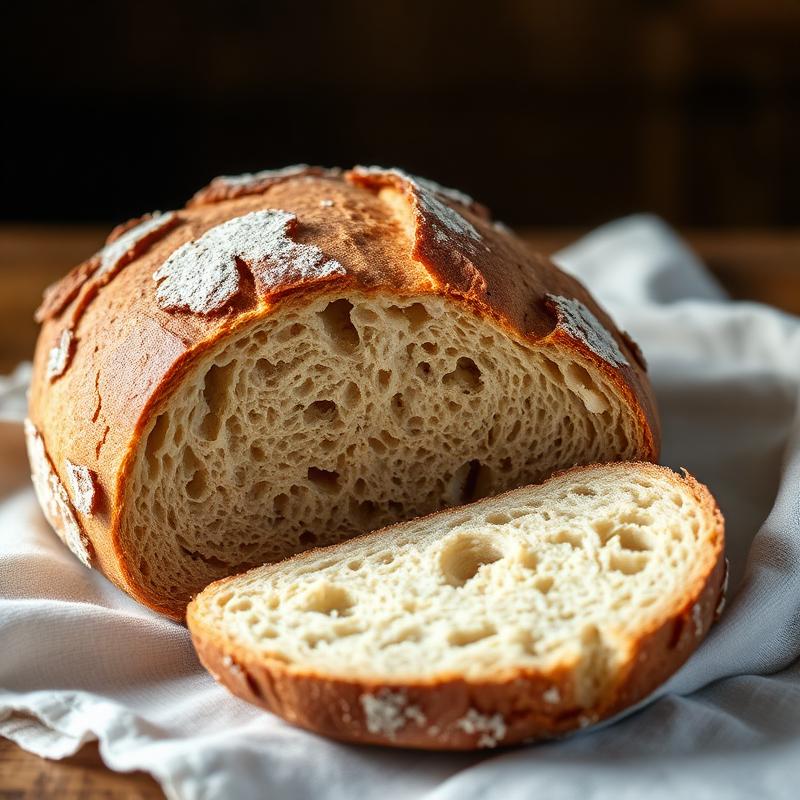
Cottage Food Laws Explained: A Plain-English Guide
7 min read
Cottage Food Label Requirements: The 6 Things Every Label Needs
8 min read
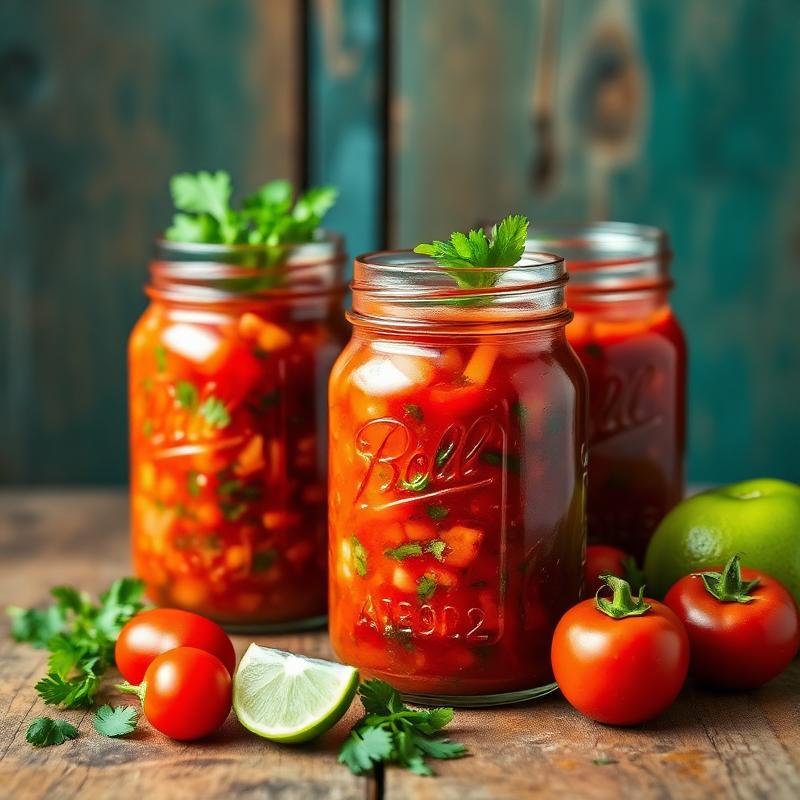
Pricing Home Food Products: The Math Most Sellers Miss
7 min read
How Much Can You Make Selling Cookies From Home?
9 min read