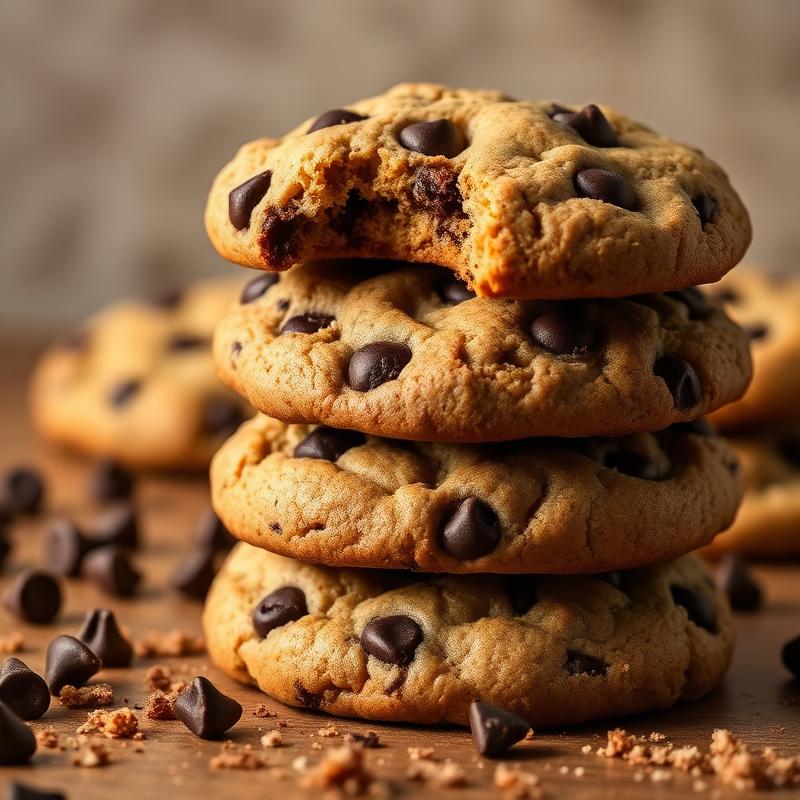
Cottage Food Label Requirements: The 6 Things Every Label Needs
Labels are the #1 reason cottage food sellers get warning letters from their state. The good news: every state asks for roughly the same six things, and once you've built one template, every label after that takes 30 seconds.
The 6 elements every cottage food label needs
Almost every state law in the US requires these in some form:
- Product name ("Chocolate Chip Cookies")
- Your business name and physical address (or city + state)
- Full ingredient list, in descending order by weight
- Allergen disclosure ("Contains: wheat, eggs, milk, soy")
- Net weight or volume
- The cottage food disclosure statement required by your state
The cottage food disclosure statement
Almost every state requires a sentence on the label telling the buyer the food was made in a home kitchen that isn't subject to commercial inspection. The exact wording is set by your state — don't write your own.
Examples: Texas requires "This food is made in a home kitchen and is not inspected by the Department of State Health Services or a local health department." California uses different wording. Always copy your state's verbatim.
Allergen rules
If your product contains any of the 9 federally-recognized major allergens (milk, eggs, fish, shellfish, tree nuts, peanuts, wheat, soy, sesame), call them out by name in a Contains: line. This isn't optional — it's federal law layered on top of state cottage food rules.
Weight and ingredient order
Net weight goes on the front. Use ounces and grams. Ingredients go in descending order by weight — so if sugar is more than butter, sugar comes first. Sub-ingredients (like flour in your chocolate chips) should be in parentheses.
Where to print labels
Avery 5160 or 22806 sheets in your home printer cover 95% of products. For glossier or food-safe labels, Sticker You and OnlineLabels both ship in 3-5 days. Don't laminate — labels need to be readable but you're not making them art.
Common label mistakes that trigger warnings
State inspectors almost always cite the same handful of issues:
- No disclosure statement, or wrong wording
- Allergens listed in ingredients but no separate Contains: line
- Net weight missing entirely
- Business name only — no address or city/state
- Font too small to read at arm's length (most states require 1/16" minimum)