Cottage Food Laws Explained: A Plain-English Guide
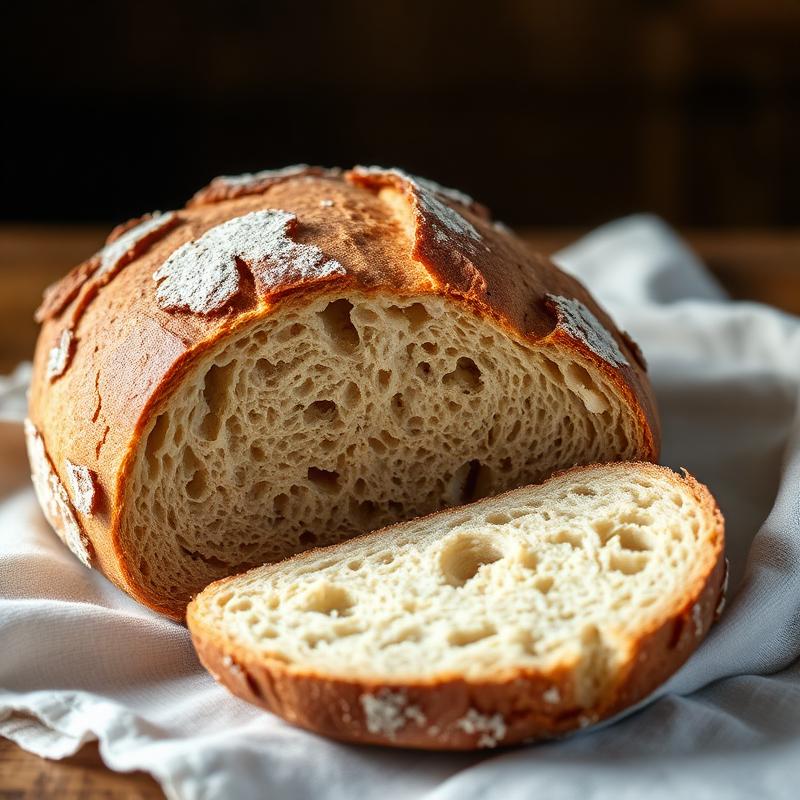
Cottage food laws are the legal foundation that lets home cooks and bakers sell certain foods from their home kitchens without renting a commercial space. Every state writes its own version, which is why one baker can sell unlimited sourdough in Ohio while another in Vermont caps out at $6,500 a year.
This guide explains the rules in plain English so you can stop reading PDFs and start selling.
What a cottage food law actually does
A cottage food law creates a legal exemption from the normal commercial food code for certain low-risk foods made in a home kitchen. In exchange for skipping commercial-kitchen requirements, you accept three big trade-offs: limited food categories, sales caps, and direct-to-consumer only.
The exemption exists because shelf-stable foods — cookies, jams, dry mixes — pose almost no public health risk. The state would rather let home bakers sell legally than push them underground.
Foods almost every state allows
If a food is shelf-stable (doesn't need refrigeration to stay safe), it's usually allowed:
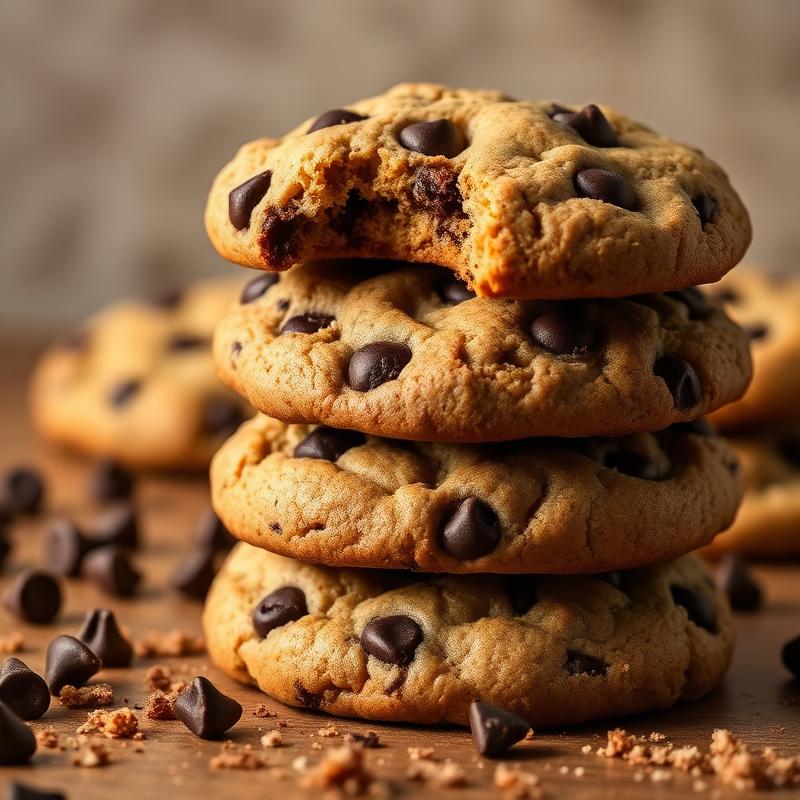
- Baked goods: cookies, breads, muffins, biscotti
- Candies and chocolates
- Jams and jellies from high-acid fruits
- Dry mixes, granola, dry herb blends
- Roasted coffee and dry tea blends
- Honey and maple syrup (in most states)
Foods most states prohibit
Anything that needs refrigeration to stay safe is almost always off the menu:
- Meat, poultry, seafood
- Cheesecake, custards, cream-filled pastries
- Salsas and pickles (in many states without a pH test)
- Fresh dairy, soft cheeses
- Cooked vegetables in oil
Sales limits you should know about
States fall into three buckets. No-cap states like Texas, Wyoming, and Maine let you sell as much as you can produce. Mid-cap states (most common) sit between $20,000 and $50,000/year. Low-cap states like Vermont and New Jersey limit you to under $10,000.
If you blow past your cap, you don't get fined immediately — but the next dollar has to come through a commercial facility.
Where you can sell (and where you can't)
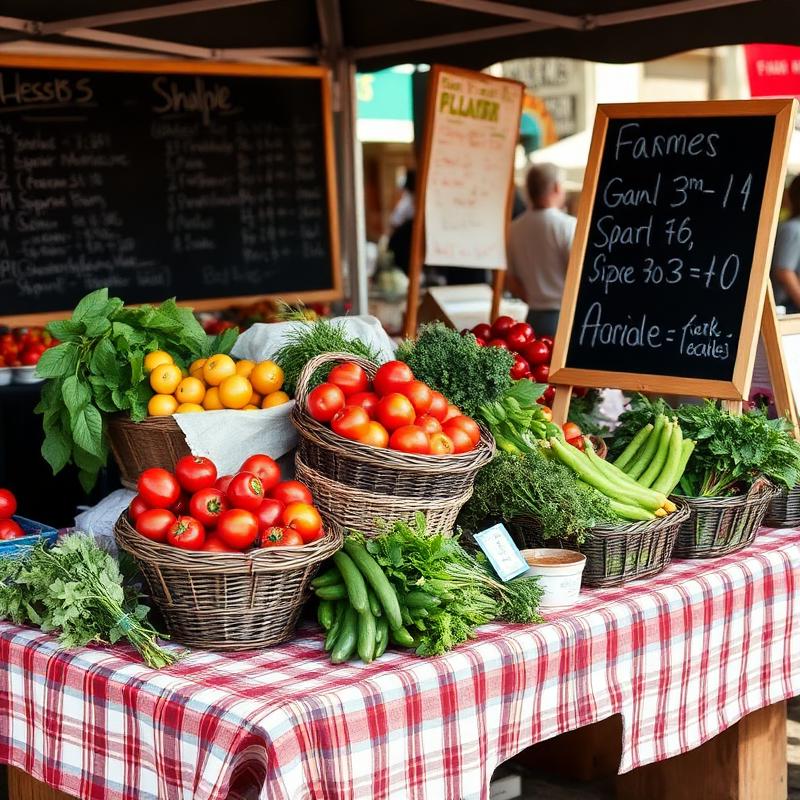
Cottage food is direct-to-consumer, in-state, almost without exception. That means farmers markets, your front porch, pop-ups, and online preorder pickups are fair game. Crossing state lines or selling wholesale to a coffee shop usually requires a commercial license.
How to find your state's rules in 5 minutes
Open our cottage food laws by state guide, click your state, and read the four key fields: sales limit, permit, allowed foods, prohibited foods. Then click the official state link to confirm — laws change.