What Foods Can You Sell Under Cottage Food Laws?
By Maya Alvarez··6 min read
Cottage food laws don't let you sell everything you can cook. The rule of thumb: if it has to stay cold to be safe, it's almost always off the list. But the gray areas — pickles, salsas, dehydrated meats — depend entirely on your state.
Almost always allowed
Shelf-stable, low-water-activity foods are the foundation of every cottage food law:
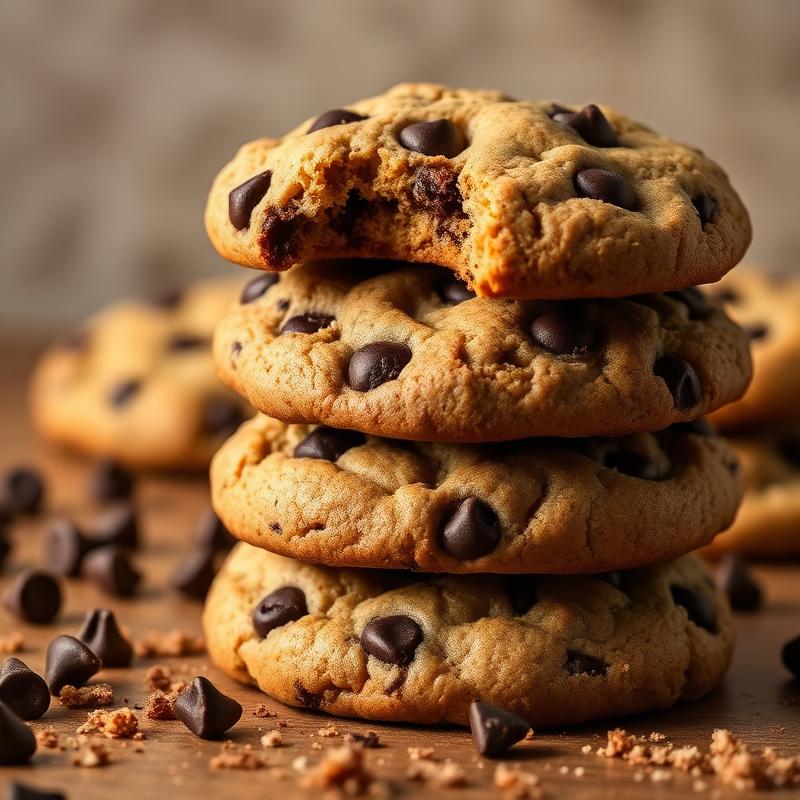
- Cookies, brownies, biscotti, granola bars
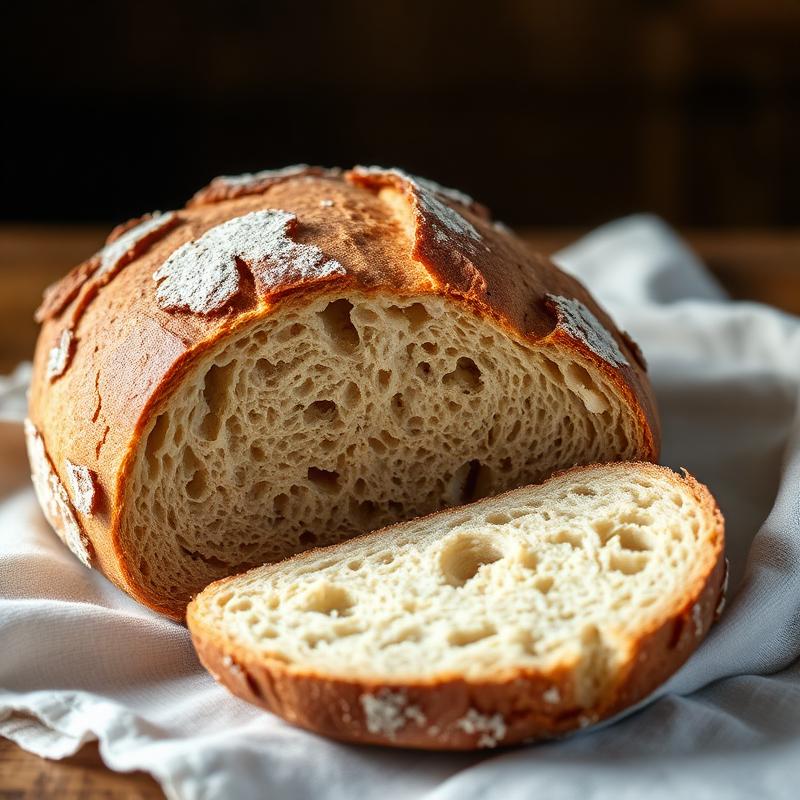
- Yeast breads, quick breads, muffins
- Pies with fruit fillings (NOT cream or custard pies)
- Cakes without dairy-based frosting (buttercream is borderline)
- Jams, jellies, fruit butters from high-acid fruits
- Candies, chocolates, fudge, caramels
- Granola, trail mix, dry baking mixes
- Dry herb blends, dry tea blends, roasted coffee
- Honey, maple syrup
- Popcorn, kettle corn
Almost never allowed
These almost always require a commercial facility:
- Meat or poultry products
- Seafood
- Fresh dairy products, soft cheeses, ice cream
- Custards, cheesecakes, cream-filled pastries, eclairs
- Cooked vegetables in oil or sauce (low-acid canning)
- Pre-cut fresh produce sold as a product
- Anything that requires temperature control to stay safe
Depends on your state
This is where most home sellers get tripped up:
- Salsas and hot sauces — allowed in some states only if pH-tested under 4.6
- Pickles and fermented vegetables — Texas yes, many states no
- Tamales — Wyoming, Maine, Montana yes; most others require commissary
- Dehydrated jerky — food freedom states only
- Frostings — buttercream often allowed; cream cheese frosting usually not
- Apple butter, pumpkin butter — pH-dependent
How to check the gray area
Open your state page in our cottage food laws guide. Look at the Allowed Foods and Prohibited Foods lists. If your product isn't listed in either, email your state's Department of Health or Department of Agriculture — they almost always reply within a week and the answer is documented for you.