How to Start a Meal Prep Business From Your Kitchen
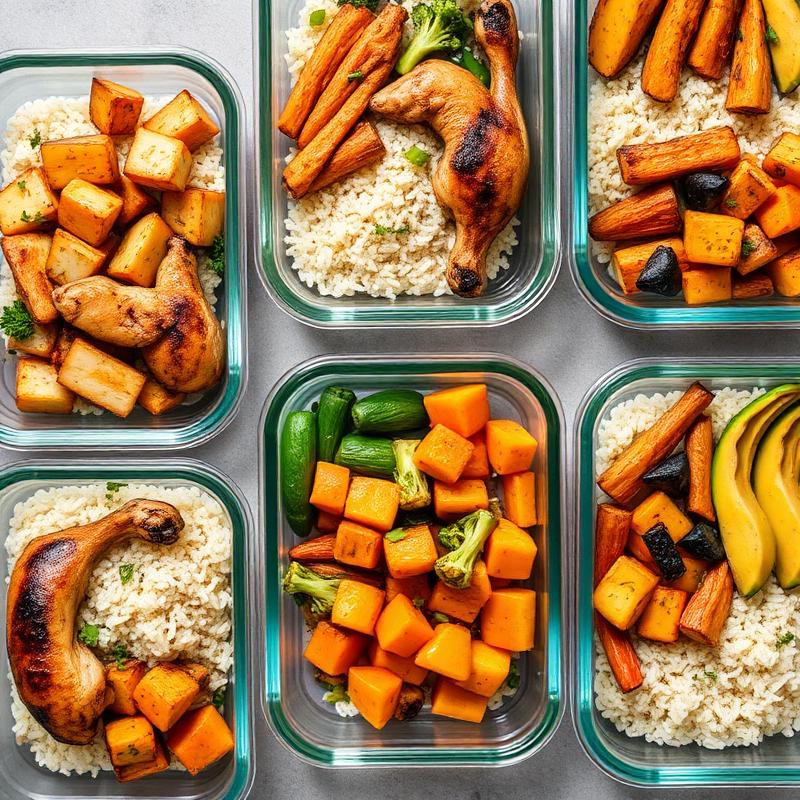
Meal prep is the trickiest home food business legally — most states require a commissary because the food needs refrigeration to stay safe. But it's also one of the highest-margin and most repeatable businesses once you get the setup right.
Step 1: Solve the legal question first
Most cottage food laws don't allow refrigerated meal preps. Your options are: a commissary kitchen rental ($15-$25/hour, by far the most common path), a Microenterprise Home Kitchen Operation permit (California only), or limiting yourself to shelf-stable products (granola, energy bites, dry mixes).
Step 2: Design a 4-5 meal menu
Pick meals that share base ingredients (one batch of rice serves 3 meals). Rotate weekly so customers don't get bored. Don't offer 12 options — packaging chaos and waste explode.
Step 3: Set a minimum order
5 meals minimum is standard. Below 4 you're losing money on prep time per customer. Many sellers run 5, 7, and 10-meal tiers.
Step 4: Price for profit, not for comparison
(Food cost × 3) + packaging + labor per meal. Most home meal prep sellers land between $9-$14 per meal. If that feels expensive vs. $7 grocery store meal preps, remember: you're fresh, customized, and local. That's the value.
Step 5: Lock down packaging
Use 32oz compartment containers from a restaurant supply store ($0.60-$0.90 each). Label each with the meal name, ingredients, allergens, and reheat instructions. A solid label drives repeat orders.
Step 6: Set the order cutoff and pickup window
Open orders Sunday-Wednesday. Cutoff Wednesday night. Shop Thursday. Prep Friday. Pickup Saturday. Repeat. A weekly rhythm beats inconsistent scheduling every time — and lets customers build it into their week.
Step 7: Take orders with software, not DMs
Meal prep order-taking falls apart at exactly 8 customers if you're doing it manually. Use a preorder storefront like FoodDropr so customers pick their meals, pay, and confirm pickup in 60 seconds.