How to Start a Tamale Business From Home
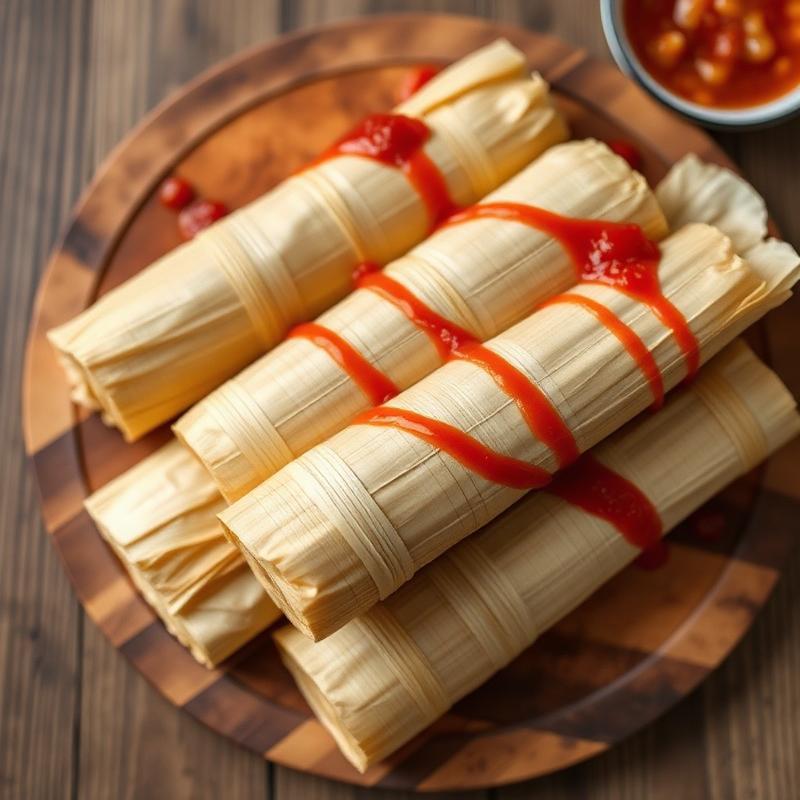
Tamales are one of the most loved cultural products in the US — and also one of the most under-supplied. Most cities have a handful of tamale sellers serving thousands of buyers. The opportunity is real; the legal path is narrower than for most home food businesses.
Step 1: Solve the legal question
Tamales contain meat and require refrigeration to stay safe, which puts them outside most cottage food laws. Your options:
- Food-freedom states (Wyoming, Maine, Montana, North Dakota, Utah, and Iowa with restrictions): legal under cottage food law
- Most other states: rent a commissary kitchen ($15-$25/hr)
- California: pursue a MEHKO permit
- Texas: limited cottage food allowance for some tamale variants — verify with your county
Step 2: Pick your menu
Start with 3 fillings: rojo, verde, and dulce (or rajas con queso). Don't launch with 10. Customers buy by the dozen and want easy choices.
Step 3: Price by the dozen
Standard pricing is $15-30 per dozen depending on filling and region. Premium fillings (chicken mole, brisket) command higher. Calculate food cost per dozen, multiply by 3-4, add packaging and labor. Round up.
Step 4: Set a weekly cycle
Tamales reward a tight, repeatable cycle:
- Sunday: open next weekend's drop
- Monday-Thursday: orders + payment
- Friday: prep masa, fillings, husks
- Saturday morning: steam
- Saturday afternoon: pickup
Step 5: Take preorders online
Cash-and-DM ordering breaks at 8-10 customers. A FoodDropr storefront lets customers order by the dozen, mix fillings, pay online, and confirm pickup — in under a minute.
Step 6: Build word-of-mouth
Tamales are a holiday-driven product. Build buzz before Día de los Muertos, Christmas, and Mother's Day. Hand a card with your storefront link to every customer at pickup.